
Article Summary: A water supply pump is a critical component in residential, commercial, and industrial systems. It ensures consistent water pressure, efficient distribution, and operational reliability. This article explains how water supply pumps function, how to select the right model, and how to resolve common issues such as pressure instability, energy inefficiency, and maintenance challenges.
1. Introduction to Water Supply Pumps
2. How a Water Supply Pump Works
3. Key Types of Water Supply Pumps
4. Technical Parameters and Specifications
5. How to Choose the Right Pump
6. Common Problems and Solutions
7. Maintenance and Longevity Tips
8. FAQ
9. Conclusion
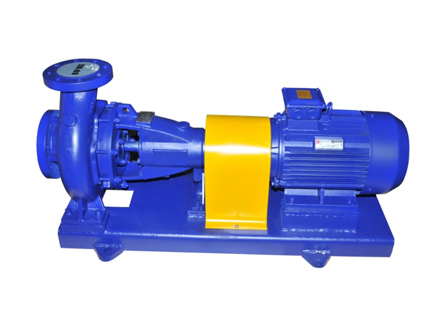
Water supply pumps are designed to transport water from one location to another while maintaining stable pressure and flow. These systems are widely used in municipal water systems, agricultural irrigation, building water supply, and industrial processes.
A major concern for users is ensuring consistent performance without excessive energy consumption or system failure. A properly selected and installed pump can significantly reduce downtime and operational costs.
A water supply pump operates by converting mechanical energy into hydraulic energy. The motor drives an impeller that rotates at high speed, creating centrifugal force that pushes water outward and increases pressure.
This process ensures continuous water flow and pressure stability, which is essential for modern infrastructure systems.
Different applications require different pump configurations. The most commonly used types include:
Each type addresses specific operational challenges such as height, pressure demand, and installation environment.
| Parameter | Description |
| Flow Rate | Measured in m³/h, determines volume capacity |
| Head | Maximum height water can be lifted |
| Power | Motor power rating (kW or HP) |
| Efficiency | Energy conversion efficiency percentage |
| Material | Cast iron, stainless steel, or composite materials |
| Voltage | Operational electrical requirement |
Understanding these parameters helps users match pump performance with system requirements, avoiding underperformance or overcapacity.
Selecting the correct water supply pump requires a structured approach:
Many users face issues such as insufficient pressure or excessive electricity bills due to improper pump selection. Careful evaluation eliminates these risks.
Water supply systems often encounter operational issues. Below are typical problems and corrective actions:
Addressing these issues early prevents system breakdowns and extends equipment lifespan.
Routine maintenance is essential for ensuring long-term reliability. Recommended practices include:
A preventive maintenance strategy significantly reduces unexpected downtime and repair costs.
Q1: What is the ideal pressure for a water supply pump?
A: The ideal pressure depends on application requirements, but residential systems typically operate between 2 to 4 bar.
Q2: How often should a water supply pump be serviced?
A: Routine inspection should be conducted every 3–6 months, with full servicing annually.
Q3: Can a pump run continuously?
A: Yes, but only if designed for continuous duty. Proper cooling and load management are essential.
Q4: What causes pump cavitation?
A: Cavitation occurs when pressure drops below vapor pressure, leading to bubble formation and damage.
A well-designed water supply pump system ensures stable pressure, efficient water delivery, and reduced operational costs. From selecting the correct type to implementing proper maintenance, every step plays a crucial role in system performance.
Hongzheng Pump Industry (Jiangsu) Co., Ltd. provides advanced water supply pump solutions engineered for durability, efficiency, and precision. With a strong focus on quality manufacturing and technical innovation, the company supports a wide range of applications across industries.
For tailored solutions and professional guidance, contact us today to optimize your water supply system and achieve reliable long-term performance.
Copyright © 2023 Hongzheng Pump Industry (Jiangsu) Co., Ltd. - Stainless Steel Centrifugal Pump, Chemical Pump, Metering Pump - All Rights Reserved.


