Abstract
Cryogenic centrifugal pumps play a critical role in the handling, transfer, and pressurization of extremely low-temperature liquefied gases such as LNG (liquefied natural gas), liquid nitrogen, liquid oxygen, and liquid argon.
This article explains the working principles, engineering structure, selection criteria, operational challenges, and maintenance strategies of cryogenic centrifugal pumps.
It is designed to help engineers, procurement specialists, and plant operators reduce operational risks, improve efficiency, and extend equipment lifespan in cryogenic applications.
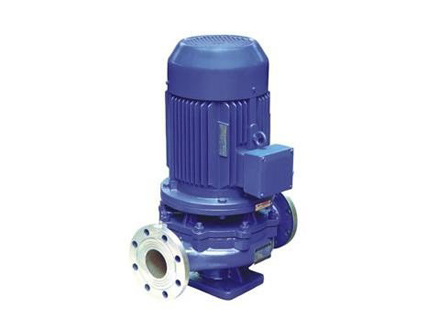
1. Overview of Cryogenic Centrifugal Pumps
A cryogenic centrifugal pump is a specialized pump designed to operate under extremely low-temperature conditions, typically below -150°C.
Unlike conventional pumps, it must maintain mechanical stability, hydraulic efficiency, and sealing integrity while handling liquefied gases that can rapidly vaporize if exposed to heat ingress.
These pumps are widely used in industries such as energy, petrochemical processing, aerospace, and medical gas supply systems. Their core function is to ensure stable flow and pressure delivery of cryogenic fluids without phase change or cavitation.
2. Working Principle Explained
The cryogenic centrifugal pump operates based on the centrifugal force principle. The impeller rotates at high speed, converting mechanical energy into kinetic energy, which is then transformed into pressure energy.
-
Fluid Entry: Cryogenic liquid enters the pump through the suction nozzle.
-
Impeller Acceleration: The rotating impeller accelerates the fluid outward.
-
Energy Conversion: Velocity energy is converted into pressure energy in the volute casing.
-
Discharge: Pressurized cryogenic fluid exits the pump to the downstream system.
Special engineering considerations ensure minimal heat transfer, preventing vapor lock or cavitation during operation.
3. Key Structural Components
The design of a cryogenic centrifugal pump is optimized for thermal stability and mechanical precision. Key components include:
-
Impeller: Usually made from stainless steel or advanced alloys.
-
Shaft System: Designed for low thermal expansion and high rotational accuracy.
-
Bearings: Often cryogenically lubricated or externally isolated.
-
Seal System: Prevents leakage under extreme temperature gradients.
-
Casing: Insulated structure to minimize heat ingress.
4. Industrial Applications
Cryogenic centrifugal pumps are essential in industries requiring ultra-low temperature fluid handling:
-
LNG storage and regasification terminals
-
Air separation plants (oxygen, nitrogen, argon production)
-
Space propulsion and rocket fuel systems
-
Medical gas supply systems
-
Metal processing and cryogenic treatment systems
5. Advantages and Engineering Benefits
Cryogenic centrifugal pumps provide several advantages over alternative pump technologies:
-
Stable performance under extreme temperatures
-
High flow rate capability
-
Reduced risk of cavitation when properly designed
-
Low maintenance due to simplified dynamic components
-
High energy conversion efficiency
6. Technical Parameters Overview
The following table summarizes typical technical specifications:
|
Parameter
|
Typical Range
|
|
Operating Temperature
|
-150°C to -196°C
|
|
Flow Rate
|
10 – 500 m³/h
|
|
Head
|
20 – 200 meters
|
|
Speed
|
2900 – 6000 rpm
|
|
Materials
|
Stainless steel, aluminum alloy, special cryogenic materials
|
7. Pump Selection Guide
Selecting the right cryogenic centrifugal pump requires careful evaluation of operational parameters:
-
Fluid Type: LNG, oxygen, nitrogen, or other cryogenic liquids
-
Required Flow Rate: Determines impeller size and motor selection
-
System Pressure: Affects casing strength and sealing design
-
Operating Environment: Indoor, outdoor, or offshore conditions
-
Material Compatibility: Ensures long-term corrosion resistance
Proper selection minimizes downtime and ensures long-term operational stability.
8. Operation & Maintenance Best Practices
Maintenance is essential to ensure reliability and performance consistency in cryogenic environments.
-
Regular inspection of seals and bearings
-
Monitoring vibration and noise levels
-
Checking insulation integrity
-
Ensuring clean cryogenic fluid pathways
-
Preventing thermal shock during startup and shutdown
Proper maintenance reduces failure risk and extends pump lifecycle significantly.
9. Common Issues and Troubleshooting
Operators may encounter several operational issues:
-
Cavitation: Caused by insufficient inlet pressure or vapor formation.
-
Seal Leakage: Often due to thermal contraction mismatch.
-
Vibration: Misalignment or bearing wear.
-
Reduced Efficiency: Impeller wear or flow obstruction.
Early detection and corrective maintenance are essential for safe operation.
10. Frequently Asked Questions
Q1: What makes cryogenic centrifugal pumps different from standard pumps?
They are engineered specifically for ultra-low temperature fluids and include specialized materials and insulation systems.
Q2: Can they handle multiple types of cryogenic liquids?
Yes, with proper material selection and design adjustments, they can handle LNG, nitrogen, oxygen, and argon.
Q3: What is the most common failure mode?
Cavitation and seal degradation due to extreme thermal stress are the most common issues.
Q4: How long is the typical service life?
With proper maintenance, service life can exceed 10–15 years in industrial environments.
11. Conclusion & Industrial Recommendation
Cryogenic centrifugal pumps are indispensable in modern industrial systems that rely on liquefied gases. Their ability to maintain stable hydraulic performance under extreme thermal conditions makes them a core component in energy, aerospace, and industrial gas sectors.
For high-performance and reliable cryogenic pumping solutions, engineering expertise and manufacturing precision are essential. Hongzheng Pump Industry (Jiangsu) Co., Ltd. provides advanced cryogenic centrifugal pump systems designed to meet demanding industrial standards and long-term operational reliability.
Whether you are designing a new LNG facility or upgrading an existing cryogenic system, selecting the right pump partner is critical to system efficiency and safety.
For tailored solutions, technical consultation, and product support, please contact us today to discuss your project requirements and receive professional assistance.


