
Abstract
Pulp pumps are essential industrial devices designed to handle abrasive, fibrous, and high-solid-content fluids commonly found in paper production, mining, chemical processing, and wastewater treatment. This article explains the working principles of pulp pumps, key design considerations, application scenarios, common operational challenges, and maintenance strategies. It is intended to help engineers, plant managers, and procurement specialists understand how to improve efficiency, reduce downtime, and extend equipment lifespan in demanding slurry-handling environments.
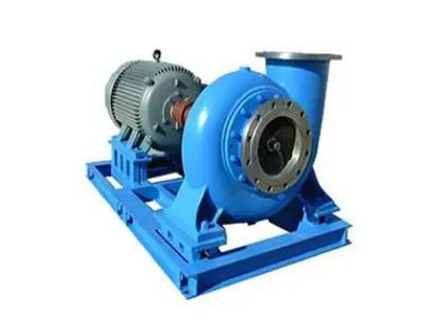
A pulp pump is a specialized centrifugal pump engineered to transport mixtures containing solid fibers, slurry, or semi-liquid pulp materials. Unlike standard water pumps, pulp pumps are designed to withstand high abrasion, clogging risks, and irregular flow characteristics. They are widely used in industries where material consistency varies and reliability is critical.
In modern industrial environments, uninterrupted fluid transport is vital for production efficiency. Pulp pumps help ensure continuous movement of fibrous materials without degradation or blockage, making them a core component of processing systems.
A pulp pump operates based on centrifugal force. When the impeller rotates, it creates a low-pressure zone at the inlet, drawing pulp into the pump casing. The rotating impeller then accelerates the fluid outward, increasing velocity and pressure before discharging it through the outlet.
The key difference in pulp pump operation lies in its ability to handle uneven particle distribution. The internal geometry is optimized to minimize clogging and reduce wear caused by fibrous materials.
Pulp pumps are engineered with robust materials and structural enhancements to withstand harsh operating conditions. Each component contributes to reliability and performance stability.
Advanced designs also incorporate anti-corrosion materials and optimized hydraulic channels to enhance efficiency.
Pulp pumps are widely adopted across multiple heavy-duty industries due to their ability to handle complex slurry mixtures.
Each application demands specific pump configurations depending on particle size, density, and corrosion levels.
Despite their robust design, pulp pumps face several operational challenges that can affect performance and maintenance costs.
Understanding these challenges is essential for optimizing pump selection and maintenance strategies.
Selecting the correct pulp pump involves evaluating multiple operational and environmental factors. A mismatch in specifications can result in reduced efficiency and increased maintenance costs.
| Selection Factor | Description | Importance |
|---|---|---|
| Pulp Consistency | Percentage of solid content in slurry | High |
| Flow Rate | Required volume per unit time | High |
| Abrasiveness | Particle hardness and sharpness | High |
| Head Pressure | Vertical lift and pipeline resistance | Medium |
| Material Compatibility | Corrosion and chemical resistance needs | High |
A proper selection process ensures operational stability and minimizes long-term downtime.
Regular maintenance is essential for sustaining pulp pump performance in demanding environments. Preventive maintenance reduces unexpected breakdowns and improves system reliability.
Operational optimization also includes adjusting flow rates and selecting wear-resistant materials based on application intensity.
| Feature | Pulp Pump | Standard Slurry Pump |
|---|---|---|
| Material Handling | High-fiber pulp and fibrous slurry | General abrasive slurry |
| Clog Resistance | High | Medium |
| Impeller Design | Open / semi-open optimized | Closed or semi-open |
| Industry Usage | Pulp & paper, fiber processing | Mining, dredging, general industry |
While both types serve slurry transport functions, pulp pumps are specifically optimized for fibrous and clog-prone materials.
Q1: What makes pulp pumps different from centrifugal pumps?
Pulp pumps are a specialized subset of centrifugal pumps designed with anti-clogging impellers and reinforced wear surfaces to handle fibrous and abrasive materials.
Q2: Can pulp pumps handle high-solid concentration fluids?
Yes, they are specifically engineered for high-solid content, but performance depends on correct model selection and system configuration.
Q3: How often should a pulp pump be serviced?
Service intervals depend on usage intensity, but inspection every 500–1000 hours is generally recommended in industrial environments.
Q4: What is the most common cause of pulp pump failure?
Abrasion wear and improper material handling are the leading causes of reduced efficiency and mechanical failure.
Q5: How can energy efficiency be improved?
Optimizing flow conditions, reducing clogging, and selecting the correct impeller design significantly improve energy efficiency.
Pulp pumps play a critical role in industries requiring reliable transport of fibrous and abrasive slurries. Their specialized design ensures continuous operation even under challenging conditions, but performance depends heavily on correct selection, proper maintenance, and system optimization.
By understanding how pulp pumps operate and what factors influence their efficiency, operators can significantly reduce downtime and operational costs while extending equipment lifespan.
Hongzheng Pump Industry (Jiangsu) Co., Ltd. specializes in high-performance industrial pumping solutions designed for demanding applications. For tailored solutions, technical support, and procurement inquiries, contact us today to explore how our pulp pump systems can enhance your operational efficiency.
Copyright © 2023 Hongzheng Pump Industry (Jiangsu) Co., Ltd. - Stainless Steel Centrifugal Pump, Chemical Pump, Metering Pump - All Rights Reserved.


