
A sewage pump serves as a core mechanical component in residential, commercial, and municipal wastewater systems, designed to move solids-laden wastewater from lower elevations to higher discharge points. By utilizing high-torque motors, corrosion-resistant housings, and non-clog impellers, it enables continuous fluid transfer under high-load conditions where gravity flow alone is insufficient.
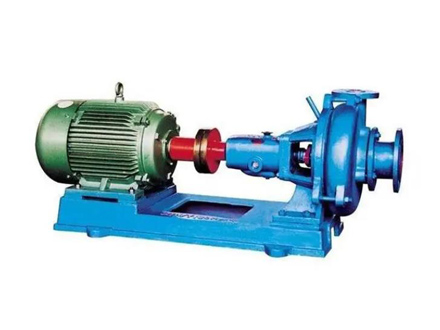
To begin with, sewage pumps are frequently deployed in basements, lift stations, industrial wastewater pits, and municipal drainage infrastructure. Their purpose is to process blackwater and greywater containing suspended solids, organic matter, paper products, and light debris. Achieving optimal performance requires evaluating horsepower, head pressure, maximum solids-handling capacity, pump housing construction, motor thermal protection, and discharge diameter. The table below outlines representative professional-grade specifications:
| Technical Parameter | Typical Specification Range |
|---|---|
| Motor Power | 0.75 HP – 7.5 HP |
| Voltage | 110–480V options (single/three-phase) |
| Max Flow Rate | 150–1,200 GPM |
| Max Head | 25–110 ft |
| Solids Handling | 1.5–4 in |
| Pump Housing | Cast iron, stainless steel, or reinforced composites |
| Impeller Type | Vortex, semi-open, fully-open non-clog |
| Duty Cycle | Continuous or intermittent |
| Thermal Protection | Auto-reset, built-in overload protection |
| Seal Structure | Double mechanical seal with oil chamber |
| Discharge Size | 2–6 in |
A sewage pump optimizes wastewater transfer by leveraging mechanical force that offsets gravity limitations. During operation, the pump’s motor converts electrical power into rotational torque that drives the impeller, generating enough kinetic energy to lift and propel sewage through the discharge line. High-strength impellers maintain hydraulic efficiency by preventing clogging with fibrous or large solid particles.
Hydraulic design also plays a vital role. Pumps with vortex or semi-open impellers create eddy currents that allow solids to pass without contacting the impeller surfaces directly, reducing wear and extending operational life. Meanwhile, volute casing geometry minimizes internal turbulence, ensuring consistent flow under varying load conditions. Head pressure ratings determine how effectively the pump handles vertical lifts and long horizontal runs, particularly in large-scale drainage networks.
Thermal protection systems significantly improve reliability. Continuous-run sewage pumps may experience high heat under heavy loads, so integrated overload sensors help prevent motor burn-out. Sealed motor chambers prevent water intrusion and resist long-term corrosion. For facilities requiring uninterrupted flow—such as hospitals, industrial plants, and municipal lift stations—a combination of sealed housings, advanced bearings, and anti-corrosive finishes ensures stable operations even in chemically aggressive wastewater environments.
The pump’s installation parameters further contribute to performance optimization. Proper basin sizing prevents short-cycling, while check valves maintain system pressure and prevent reverse flow. When integrated into smart monitoring panels, sewage pumps can provide fault alerts, real-time flow data, and predictive maintenance assessments that reduce unscheduled downtime. From efficiency to longevity, each structural element plays a role in enhancing the reliability of wastewater transfer systems.
Sewage pump configurations directly influence system uptime, maintenance frequency, and energy consumption. Submersible sewage pumps are most common due to their sealed design, quiet operation, and ability to run fully underwater. Their motors remain cooled by surrounding liquid, enabling continuous duty cycles. Additionally, their submerged position eliminates priming requirements and reduces installation space.
On the other hand, pedestal sewage pumps—though less widely used—provide easier access for motor servicing because the motor sits above water level. These are beneficial for residential basements where maintenance convenience is prioritized. In commercial and municipal environments, however, submersible configurations generally deliver higher durability under heavy loads.
Non-clog pumps with large solids-handling capacities significantly improve reliability in applications with unpredictable debris volumes, such as public restrooms, restaurant grease-laden wastewater, and industrial effluent. Their impellers and volute chambers are engineered to process fibrous materials without blockage. Grinder pumps offer a more specialized solution by mechanically shredding solids before pumping. These are ideal for narrow discharge lines or long-distance pumping where clogs could otherwise occur.
System redundancy also contributes to reliability. Duplex or triplex pump systems automatically alternate between units to equalize wear and provide failover support during peak flows. Control panels equipped with float switches, pressure sensors, and thermal alarms ensure controlled operation and early fault detection.
Environmental considerations include material selection. Cast-iron pumps excel in structural strength, while stainless steel variants resist chemical corrosion in harsh wastewater compositions. For coastal environments or processing facilities handling saline fluids, anti-corrosion coatings and shaft-seal upgrades are essential. Every configuration choice—motor power, impeller type, housing material, control technology—affects the long-term dependability of wastewater management operations.
Sewage pump technology continues evolving to meet rising environmental, industrial, and urbanization demands. Rapid population growth, increased waste volume, and more stringent environmental regulations necessitate pumps capable of handling higher flow rates while minimizing energy consumption.
Emerging pump designs incorporate high-efficiency motors conforming to updated energy standards. These motors reduce electricity usage across municipal wastewater grids, lowering operational costs and environmental impact. Variable-frequency drives (VFDs) are also becoming standard, allowing pumps to adjust speed based on real-time flow conditions, reducing excess energy draw, preventing hydraulic shock, and prolonging mechanical life.
Smart monitoring systems represent another future-oriented development. Sensors measuring water levels, pressure fluctuations, temperature, and vibration feed data into centralized management platforms. Operators can predict component wear, identify pump cavitation, and schedule maintenance before failures occur. The application of machine learning further enhances predictive accuracy by analyzing long-term patterns across multiple pump stations.
Structural materials are also advancing. Corrosion-resistant alloys, ceramic-coated impellers, and reinforced composite housings withstand aggressive wastewater chemicals, enhancing pump longevity. Meanwhile, mechanical seals featuring expanded lubrication chambers ensure leak-proof performance during extended operation cycles.
Additionally, the integration of odor-control technologies, backflow-prevention systems, and noise-reduction engineering helps facilities meet community and regulatory expectations. As wastewater treatment standards increase worldwide, sewage pumps must handle more complex effluents—including wipes, hygiene products, and industrial particulates—without sacrificing operational continuity.
Future sewage pump ecosystems will combine optimized hydraulics, intelligent control panels, enhanced durability, and reduced carbon footprints, enabling cities, industries, and commercial properties to better manage wastewater under diverse challenges.
Selecting a sewage pump involves analyzing flow requirements, head pressure, solid sizes, installation conditions, and power availability. Pump sizing must align with basin capacity to avoid short-cycling, while motor specifications must match voltage supply and anticipated workload. When choosing between a vortex and semi-open impeller, users should evaluate solid content and viscosity. High-debris wastewater benefits from vortex designs; semi-open impellers provide higher efficiency for moderately dirty water.
Proper installation is equally important. Pumps should be mounted on a secure base to prevent vibration. Discharge lines require well-positioned check valves to avoid backflow. Electrical connections must comply with local regulations, and control panels should be kept accessible for routine inspection. After installation, operators need to periodically test float switches and backup alarms to confirm responsive activation.
Maintenance includes visual inspections of the basin, removal of accumulated sludge, and cleaning of intake screens to ensure unobstructed flow. Shaft seals must be checked for leakage, while motor housing and wiring require examination for corrosion. Oil chambers in double-seal configurations should be monitored to maintain adequate lubrication.
Environmental conditions—such as temperature, chemical exposure, and sediment load—must guide maintenance intervals. High-usage pump stations benefit from scheduled servicing every three to six months, while residential systems may require annual checks. Preventive maintenance extends service life and reduces emergency repair risks.
Below are two commonly asked questions:
Q1: How often should a sewage pump be replaced?
A sewage pump typically lasts 7–15 years depending on usage frequency, wastewater composition, pump construction materials, and maintenance practices. High-grade cast-iron or stainless-steel pumps used with proper load management and routine inspections often reach the upper lifespan range. Systems handling heavy solids or corrosive effluent may require more frequent replacement.
Q2: How can pump clogging be prevented in daily operation?
Clogging can be minimized by selecting a pump with adequate solids-handling clearance, installing a debris-resistant impeller design, and ensuring proper basin cleaning. Facilities should avoid flushing non-degradable materials such as wipes or textiles. Regular inspection of the intake area and periodic pumping of accumulated sludge also significantly reduces clogging risk.
As the demand for dependable wastewater management grows, manufacturers with comprehensive engineering capabilities and technical support continue to play a crucial role. Brands like Hongzheng offer professionally engineered sewage pump solutions built for durability, high load conditions, and long-term performance stability. For system planning, product selection, or customized project support, contact us to obtain technical consultation and detailed specifications.
Copyright © 2023 Hongzheng Pump Industry (Jiangsu) Co., Ltd. - Stainless Steel Centrifugal Pump, Chemical Pump, Metering Pump - All Rights Reserved.


